
Table of Contents
Local SEO for small businesses is one of the most powerful digital marketing strategies for attracting customers who are actively searching for products or services near them. Unlike traditional SEO, which focuses on ranking nationally or globally, local SEO helps small businesses appear in Google Maps, local search results, and location based queries such as “near me” or “in my area.”
For small businesses competing against larger brands with bigger budgets, local SEO levels the playing field. When done correctly, it drives highly targeted traffic, phone calls, website visits, and in person visits from customers who are ready to take action.
In this guide, you will learn 10 important tips for local SEO for small businesses, how they work, and how to implement them correctly for long term growth.
What Is Local SEO for Small Businesses
Local SEO for small businesses is the process of optimizing your online presence so your business appears prominently in local search results. These results usually show up when users search for services with a location intent, such as “SEO agency in Texas,” “plumber near me,” or “best restaurant in Los Angeles.”
Local SEO focuses on three core areas:
- Google Business Profile optimization
- Location based website optimization
- Local authority and trust signals such as reviews and citations
When these elements work together, Google is more likely to show your business to nearby customers.
Why Local SEO Is Important for Small Businesses
Local SEO for small businesses is important because local searches often lead directly to conversions. Studies consistently show that users who perform local searches are more likely to call, visit, or make a purchase within a short period.
Some key benefits include:
- Increased visibility on Google Maps
- More phone calls and direction requests
- Higher trust through reviews and ratings
- Lower marketing costs compared to paid ads
- Better targeting of customers in your service area
For small businesses with limited budgets, local SEO delivers one of the highest returns on investment.
1. Optimize Your Google Business Profile Properly
Your Google Business Profile is the foundation of local SEO for small businesses. It is often the first thing potential customers see when searching for your services.
Start by ensuring your profile includes:
- Accurate business name
- Correct address and phone number
- Business hours
- Primary and secondary categories
- Services and products
- High quality photos
Your business description should clearly explain what you do and where you operate, while naturally including local keywords. Regular updates, posts, and photos signal activity and trust to Google.
A well optimized Google Business Profile improves your chances of appearing in the local map pack, which drives the majority of local clicks.

2. Use Local SEO Keywords Strategically
Keyword research is a critical part of local SEO for small businesses. Instead of targeting broad keywords, focus on location based keywords that match user intent.
Examples include:
- local seo for small businesses in Lagos
- digital marketing agency in Ikeja
- plumbing services in Surulere
Use these keywords naturally in:
- Page titles and meta descriptions
- Headings and subheadings
- Body content
- Image alt text
Avoid keyword stuffing. The goal is relevance and clarity, not over optimization. Google rewards content that is helpful and user focused.
3. Create High Quality Location Pages
If your business serves multiple cities or neighborhoods, location pages are essential. These pages help Google understand where your services are available and allow you to rank for multiple local searches.
Each location page should include:
- Unique content for that area
- Local landmarks or service areas
- Customer testimonials from that location
- Embedded Google Maps
- Clear calls to action
Poorly written or duplicated location pages can hurt rankings, so it is important to structure them correctly. This resource on multi location SEO strategy explains how to do this properly:
👉 How to optimize multiple branches of your business
4. Keep Your NAP Information Consistent Everywhere
NAP stands for Name, Address, and Phone number. Consistency across all platforms is a key ranking factor for local SEO for small businesses.
Your NAP information should match exactly on:
- Your website
- Google Business Profile
- Business directories
- Social media profiles
Inconsistent details confuse search engines and reduce trust. Even small differences such as abbreviations or formatting can affect rankings.
Performing a local citation audit can help identify and fix inconsistencies that may be holding your business back.
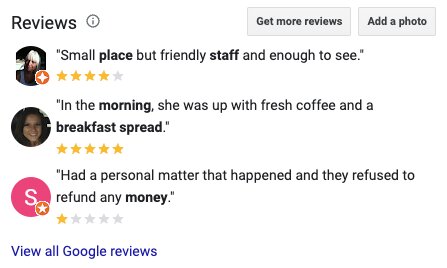
5. Build Trust with Customer Reviews
Online reviews are one of the strongest trust signals in local SEO for small businesses. They influence both rankings and customer decisions.
To build a strong review profile:
- Ask satisfied customers for reviews
- Make the process simple
- Respond to all reviews professionally
- Address negative feedback politely
Reviews not only improve visibility but also increase click through rates and conversions. Businesses with consistent positive reviews tend to outperform competitors in local search results.
6. Optimize Your Website for Mobile and Speed
Most local searches happen on mobile devices. If your website is slow or difficult to use on mobile, you will lose potential customers.
Mobile optimization includes:
- Responsive design
- Fast loading pages
- Easy navigation
- Clickable phone numbers
- Clear contact forms
Website performance also affects SEO. Google prioritizes websites that offer a good user experience, especially for local searches.
7. Publish Local Content Regularly
Content plays a major role in local SEO for small businesses. Publishing content that addresses local topics helps increase relevance and authority.
Examples of local content include:
- City specific guides
- Local industry updates
- Case studies from nearby clients
- Community involvement posts
Consistent blogging also helps attract backlinks and improve keyword coverage. This article on local SEO statistics for small businesses provides insight into why content matters for local rankings:
👉 Local SEO statistics for small business
8. Build High Quality Local Backlinks
Backlinks remain a strong ranking factor, especially when they come from local and relevant sources.
Good local backlink opportunities include:
- Local business directories
- Industry associations
- Partner websites
- Local blogs and publications
Focus on quality rather than quantity. A few strong local backlinks can outperform dozens of low quality links.
9. Use Local Business Schema Markup
Schema markup helps search engines understand your business information more clearly. Local business schema can improve how your business appears in search results.
Schema markup can include:
- Business name
- Address and phone number
- Opening hours
- Reviews and ratings
While schema alone will not guarantee rankings, it supports other local SEO efforts and improves visibility.
10. Track Performance and Continuously Improve
Local SEO for small businesses is an ongoing process. Tracking performance helps you understand what works and where improvements are needed.
Key metrics to monitor include:
- Local keyword rankings
- Google Business Profile insights
- Website traffic
- Calls and form submissions
Regular audits help identify technical issues, content gaps, and new opportunities. Reviewing real world data allows you to refine your strategy and stay ahead of competitors.
Common Local SEO Mistakes to Avoid
Many small businesses struggle with local SEO because of avoidable mistakes, such as:
- Ignoring Google Business Profile updates
- Using duplicate location content
- Inconsistent NAP details
- Buying spammy backlinks
- Neglecting reviews
Avoiding these mistakes can significantly improve results and reduce wasted effort.
Final Thoughts
Local SEO for small businesses is one of the most effective ways to attract high intent customers in your area. By focusing on Google Business Profile optimization, location based content, reviews, and consistent local signals, small businesses can compete successfully in local search results.
Whether you are just starting out or looking to improve existing performance, applying these 10 tips consistently will help you build long term visibility, trust, and growth.



 English