
Table of Contents
Introduction to Backlinks in SEO
In the digital landscape, not all links are created equal. Backlinks, sometimes called inbound links, play a pivotal role in how search engines evaluate and rank websites. Simply put, a backlink is a link from one website to another, acting like a vote of confidence in the eyes of search engines. When high-authority websites link to your pages, it signals trustworthiness, relevance, and authority, which can dramatically influence your search engine rankings.
Backlinks in SEO are more than just a numbers game. While quantity can matter, quality always trumps volume. One authoritative backlink from a reputable website in your industry can have far more impact than dozens of links from low-quality sources. Search engines like Google use backlinks to assess the credibility of your content, determining whether it should appear on the first page for competitive search queries.
For business owners and marketers, understanding backlinks is crucial. Imagine you run a local HVAC company. By earning backlinks from industry blogs, local directories, and even your suppliers or partners, you increase the likelihood that your website will rank higher in local search results. This is why local businesses, whether in Phoenix or Texas, benefit from a focused backlink strategy alongside other SEO efforts. If you want to understand the fundamentals before diving deeper, our SEO Basics guide is a great starting point.
Statistics highlight just how important backlinks remain in SEO. According to research, pages with a strong backlink profile are 11 times more likely to rank in the top ten search results than those without. Another study found that 91 percent of all pages never receive organic traffic from Google because they lack backlinks. This data underscores the role of backlinks not only in rankings but also in driving visibility and traffic. For small business owners, these numbers can mean the difference between being found by a potential customer or being lost in search results. You can also explore Local SEO Statistics to see how backlinks and local optimization work together to boost online presence.
Backlinks are also essential for establishing authority within your niche. For instance, a chiropractor’s website that receives links from medical associations, wellness blogs, or health directories signals expertise and trustworthiness to search engines. Similarly, a restaurant with backlinks from food bloggers, local event pages, or culinary magazines gains credibility in its local market. This approach is mirrored across industries, from SEO for Dentists to SEO for Plumbers, emphasizing that backlinks are a universal ranking signal that transcends sectors.
The benefits of backlinks extend beyond search rankings. Each backlink also serves as a potential source of referral traffic. When readers click on a link pointing to your website, they arrive pre-qualified, already interested in your product or service. This can lead to higher conversion rates compared to other traffic sources. For example, a roofing company featured on a local home improvement blog may gain leads directly from readers who are actively seeking roofing services in their area. This combination of SEO and direct traffic makes backlinks an invaluable asset.
Moreover, backlinks help search engines discover new content. When a new page is published, it is often first indexed because other websites link to it. This means that every backlink can act as a discovery channel, helping your content get noticed faster. For businesses offering Industry-Specific SEO Services such as restoration companies, auto repair shops, or travel services, backlinks can accelerate visibility for new offerings or seasonal campaigns.
It is also worth noting that not all backlinks are equal. Context matters. A link embedded within relevant, high-quality content carries more weight than one buried in a list of unrelated links. Anchor text, the clickable words of a link, further guides search engines about the linked page’s content. For instance, a link with the anchor text “local SEO guide” pointing to our Local SEO Guide clearly signals relevance to search engines, enhancing both the linked page’s authority and the referring page’s credibility.
For businesses that are serious about their online presence, integrating a backlink strategy into a broader SEO plan is non-negotiable. Beyond content creation and technical optimization, backlinks form the bridge between your website and the wider internet ecosystem. They are a measure of trust, authority, and relevance—factors that directly influence your ability to attract new customers online. If you are just starting, our Free SEO Audit can help you identify opportunities to improve your backlink profile and overall SEO performance.
Finally, the evolving nature of SEO means that while backlinks are a long-standing ranking factor, their role continues to adapt. Search engines now prioritize quality, relevance, and user engagement over sheer quantity. For example, a single backlink from a highly relevant and authoritative website in your niche often outperforms multiple generic links. Businesses that focus on earning strategic backlinks rather than chasing volume see sustained improvements in rankings and traffic over time.
In this guide, we will explore everything from the different types of backlinks and their impact on SEO to strategies for acquiring them effectively. Whether you are managing a restaurant, a law firm, or a general contractor, understanding backlinks in SEO is critical to growing your online presence and staying competitive.
What Are Backlinks?
Backlinks, often referred to as inbound links, are hyperlinks from one website that point to another. They serve as endorsements in the digital world, signaling to search engines that the linked content is valuable, trustworthy, and relevant. Think of a backlink as a vote of confidence—when other websites link to your content, it tells Google and other search engines that your page has authority worth sharing.
In the context of SEO, backlinks play a crucial role. They are one of the most important ranking signals used by search engines to determine the credibility and authority of a website. A page with high-quality backlinks is more likely to rank higher in search results than a page without any. This is because search engines interpret these links as a sign that your content is recognized and recommended by others, much like how a citation works in academic research.
It is important to distinguish between internal links and external links. Internal links are links that connect pages within your own website. They help search engines navigate your site, understand the structure of your content, and distribute link authority across pages. For example, linking your homepage to your On-Page SEO Guide helps both users and search engines discover relevant content.
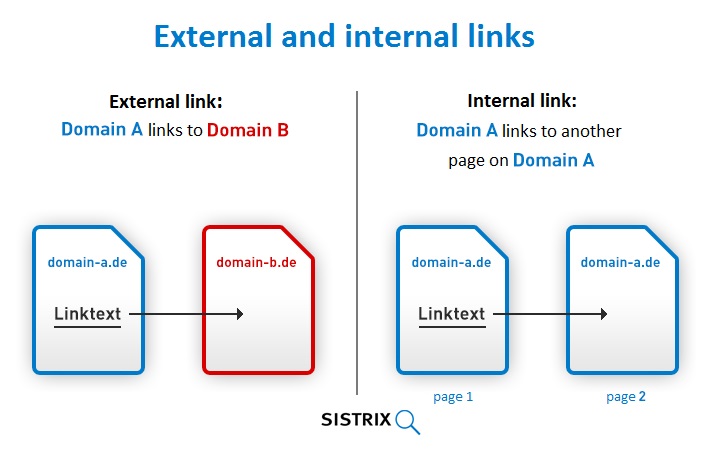
External links, which are what we usually mean by backlinks, come from other websites. These links carry authority from the linking website to yours. A backlink from a reputable site in your industry is considered high-quality because it passes credibility to your page, improving your chances of ranking higher in search results. For instance, if a local health blog links to a chiropractor’s website, it signals trustworthiness to search engines, enhancing the chiropractor’s online authority. Businesses offering Industry-Specific SEO Services can particularly benefit from such authoritative backlinks.
To illustrate, imagine a real estate website publishes a detailed guide about home staging. If a popular home improvement blog links to that guide with the anchor text “expert home staging tips,” it serves as a backlink. Search engines interpret this as a recommendation from the home improvement blog, which could improve the real estate site’s rankings for related keywords. At the same time, readers clicking the link are directed to valuable content, generating referral traffic in addition to the SEO benefit.
Backlinks are not all about quantity—they are about relevance and quality. A single backlink from a highly trusted, industry-relevant website can have more SEO impact than dozens of links from low-quality or unrelated sites. This is why it is essential for businesses, whether you are running a restaurant or a restoration company, to focus on earning links from reputable sources that align with their niche.
Additionally, backlinks help search engines discover your content faster. When a new page is published and other websites link to it, search engine bots can find and index it more efficiently. This discovery mechanism is particularly important for businesses aiming to rank for competitive local search terms, like in Phoenix or Texas.
In essence, backlinks are the bridge between your website and the broader internet. They improve visibility, build credibility, drive traffic, and signal trust to search engines. Understanding what backlinks are and how they work lays the foundation for effective SEO strategies that can grow your business online.
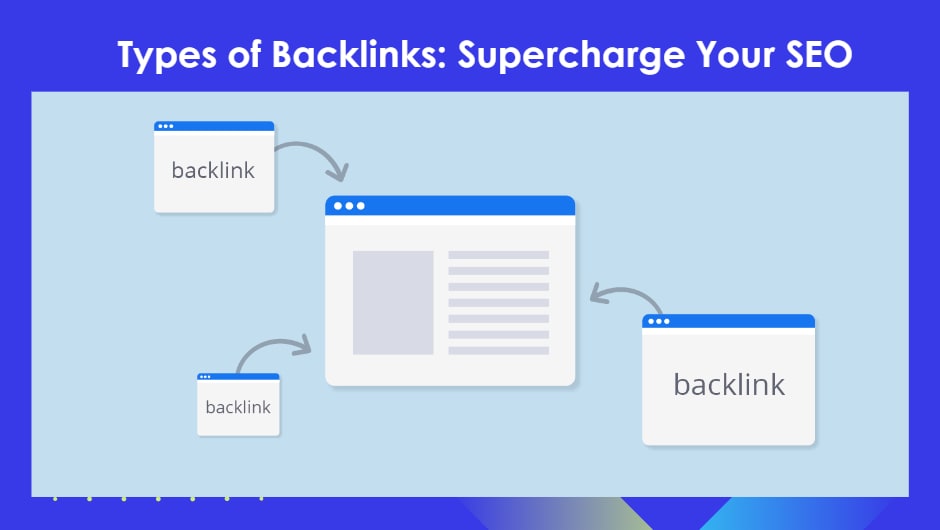
Types of Backlinks
Backlinks in SEO come in different forms, each carrying its own value and impact. Understanding the types of backlinks can help businesses focus their efforts on acquiring links that genuinely boost authority, rankings, and visibility.
DoFollow vs. NoFollow Links
DoFollow links are the default type of backlinks that pass authority from the linking website to your page. When a reputable website includes a DoFollow link to your site, search engines consider it a vote of confidence, helping your content rank higher in search results. For example, a home services blog linking to a plumbing website with DoFollow links directly improves the plumber’s domain authority.
NoFollow links, on the other hand, include a tag that tells search engines not to pass link authority. While they may not directly influence rankings, they are still valuable for driving referral traffic, building brand awareness, and creating a natural link profile. A NoFollow link from a popular social media site or news article can still attract visitors who are interested in your services, such as SEO Services for small businesses.
Natural vs. Manual Backlinks
Natural backlinks are earned organically. They occur when other websites link to your content because they find it useful, informative, or authoritative. For instance, a local restaurant publishing a guide about seasonal menu ideas might naturally attract links from food bloggers or event websites without any outreach.
Manual or acquired backlinks require deliberate effort. These include links obtained through outreach, partnerships, or guest posting. For example, a dentist may reach out to a local health directory to request a listing link, or contribute a guest article to a medical blog with a backlink to their own website. Both approaches are important: natural links signal genuine value, while manual links help accelerate growth when used strategically.
Editorial Links
Editorial backlinks are embedded naturally within the content of another website, typically because the content creator finds your material valuable. For example, a blog discussing HVAC maintenance might include an editorial link to a guide on SEO for HVAC, citing it as a credible source. Editorial links are highly prized because they are contextually relevant and appear within content that readers trust, providing both authority and referral traffic.
Guest Post Links
Guest posting involves writing content for another website, often in exchange for a backlink to your site. This type of backlink allows you to reach new audiences while improving SEO authority. For example, a law firm contributing an article on legal tips to a local business website could include a link to their own SEO for Law Firms page. The key is ensuring the guest post provides value to readers, rather than just serving as a vehicle for links.
Directory Links
Directory backlinks are links from online directories or listings, usually categorized by industry or location. While their SEO value is generally lower than editorial or guest post links, they are helpful for local SEO and visibility. A cleaning company listed in a reputable local directory may gain links that improve both search rankings and potential client referrals. For local businesses, directories in cities like Phoenix or Texas can provide strategic visibility.
Forum and Comment Links
Forum and comment backlinks are created when you participate in online discussions or leave thoughtful comments with links to your site. These links are usually NoFollow, so they do not pass significant SEO authority. However, they can still drive targeted traffic. For example, a real estate website sharing insights in a property investment forum can attract users who may become leads while subtly boosting online presence.
Social Media and Bookmarking Links
Links from social media platforms and bookmarking sites can help with content distribution, brand awareness, and traffic. While most are NoFollow links, they can indirectly influence SEO by increasing visibility and encouraging other websites to link to your content naturally. Sharing content from a restaurant blog, a restoration company, or any business on social media platforms can amplify reach and eventually attract high-quality backlinks.
Examples in Practice
- DoFollow editorial link: A guest article on a home improvement blog linking to SEO for Roofers
- NoFollow social link: A tweet linking to your restaurant’s seasonal menu guide
- Natural link: Local news site linking to your dentist’s website after a community initiative
- Manual link: Outreach to a travel website linking to your Travel SEO Services page
- Directory link: A listing in a local business directory for auto repair shops
By understanding these backlink types and their unique benefits, businesses can craft strategies that prioritize quality, relevance, and diversity, ultimately improving SEO performance while building a credible online presence.
Why Backlinks Are Important
Backlinks are not just a component of SEO—they are one of its foundational pillars. Their importance stretches across multiple aspects of search engine optimization, from improving rankings to enhancing credibility and driving traffic. Understanding why backlinks matter can help businesses focus their efforts on building a strong, high-quality link profile.
Google’s Algorithm and Link-Based Ranking Signals
Search engines like Google use backlinks as a major ranking signal. Each link pointing to a website is considered a vote of confidence, indicating that the content is trustworthy, relevant, and valuable. Google’s algorithm evaluates not just the quantity of backlinks but also the quality and relevance of the linking sites. High-authority backlinks signal to Google that your website is a reliable source of information, which can significantly improve your rankings.
For instance, a chiropractor’s website receiving links from respected health blogs or medical directories is more likely to rank higher for local health-related searches than a site with few or low-quality links. This is why SEO for Chiropractors often emphasizes backlink strategies as a critical part of overall SEO campaigns.
Improving Domain Authority and Page Authority
Backlinks contribute directly to domain authority (DA) and page authority (PA), metrics that indicate the strength and credibility of a website or specific page. The more high-quality backlinks a page receives, the higher its authority becomes, which in turn boosts its potential to rank for competitive keywords.
For example, a law firm that earns editorial backlinks from reputable legal publications increases both its overall domain authority and the authority of specific service pages. This improved authority helps the website rank higher for relevant searches, making it more visible to potential clients. Services like SEO for Law Firms often integrate backlink acquisition with content strategies to maximize both DA and PA.
Driving Referral Traffic
Backlinks are not only about search engine rankings—they also generate direct referral traffic. When users click on a link from another site, they arrive at your website already interested in your content, products, or services. This type of traffic tends to be more engaged and likely to convert into leads or sales.
Consider a restaurant featured in a popular local food blog. Visitors who click through from the blog are likely to be food enthusiasts in your area, making them highly qualified leads. Similarly, a roofing company linked from a home improvement forum may gain inquiries directly from interested homeowners. The dual benefit of backlinks—SEO authority and referral traffic—makes them a powerful asset for any business.
Boosting Content Visibility and Credibility
Backlinks also enhance your content’s credibility and visibility. When authoritative websites link to your pages, it signals to users that your content is valuable and trustworthy. This social proof can influence user perception and encourage engagement, whether it’s reading your articles, subscribing to a newsletter, or requesting services.
For instance, a cleaning company that receives backlinks from reputable home maintenance blogs not only improves its search rankings but also establishes itself as an industry authority. Similarly, sharing a Local SEO Guide with backlinks from industry sources can help businesses educate audiences while building credibility in their niche.
Real-World Examples and Case Studies
- Local Restaurant Success: A small restaurant in Phoenix increased its Google search visibility by acquiring backlinks from local food blogs and event pages. Within three months, its website traffic doubled, and reservations through its site increased by 40 percent.
- Chiropractic Clinic Growth: A chiropractor in Texas focused on earning editorial backlinks from health and wellness blogs. As a result, their service pages saw significant improvements in search rankings for local health-related queries, driving more consultation bookings.
- Restoration Company Authority: A restoration company created a detailed flood damage guide and earned backlinks from home improvement blogs and local news outlets. This effort led to higher visibility for targeted keywords, positioning the company as a trusted authority in its industry. You can learn more about how SEO for Restoration Companies integrates backlinks into broader strategies.
These examples demonstrate that backlinks are not just technical SEO elements—they are strategic tools that can directly influence business growth, brand authority, and audience reach.
Characteristics of a High-Quality Backlink
Not all backlinks are created equal. In SEO, the value of a backlink depends on several factors that collectively determine how much it contributes to your website’s authority, visibility, and rankings. Understanding the characteristics of high-quality backlinks helps businesses focus on acquiring links that truly make an impact.
Relevance of the Linking Site
A backlink is most valuable when it comes from a website that is relevant to your industry or niche. Relevance signals to search engines that your content is genuinely authoritative in that subject area. For example, a dentist receiving a link from a reputable health or wellness blog will carry more weight than a link from an unrelated entertainment site. Relevance ensures that both users and search engines understand why your content deserves attention.
Authority and Trustworthiness of the Linking Site
The credibility of the site linking to you is crucial. High-authority websites, such as well-known industry publications, educational institutions, or respected local businesses, pass significant authority to your website. For instance, a law firm linked from a trusted legal advice portal gains more SEO value than a link from a small, unverified site. Tools like Moz, Ahrefs, and SEMrush can help evaluate the authority of potential linking sites.
Placement and Context of the Link
Where and how a backlink appears on a page affects its value. Links embedded naturally within the content, especially in paragraphs that are relevant to the linked page, carry more weight than links placed in footers, sidebars, or unrelated sections. For example, a plumbing guide referenced within an article about home maintenance provides both context and authority, making the backlink highly valuable.
Anchor Text Considerations
Anchor text, the clickable words in a backlink, gives search engines clues about the linked page’s topic. Descriptive and relevant anchor text can help improve rankings for specific keywords. For example, using anchor text like “Local SEO Guide” linking to our Local SEO Guide is more effective than generic phrases like “click here.” However, over-optimized anchor text can appear unnatural, so variety is important.
Traffic Potential from the Backlink
Beyond SEO, a high-quality backlink should ideally drive referral traffic. Links from websites with engaged audiences or high visitor numbers can bring qualified users to your site, increasing conversions and brand awareness. For example, a restaurant featured in a popular local food blog may attract potential customers who are actively searching for dining options.
Link Diversity and Natural Link Profiles
A strong backlink profile includes a mix of different types of links from various sources, such as blogs, directories, news sites, and industry associations. Diversity ensures your link profile appears natural to search engines, reducing the risk of penalties for manipulative link practices. For example, a restoration company that earns links from local news, educational resources, and industry blogs will have a healthier backlink profile than one relying solely on guest posts.
High-quality backlinks are the backbone of effective SEO. By prioritizing relevance, authority, placement, anchor text, traffic potential, and diversity, businesses can build a strong link profile that not only improves search rankings but also drives meaningful engagement and credibility.
Common Backlink Strategies
Building a strong backlink profile requires a mix of strategy, creativity, and caution. While some methods are highly recommended, others carry risks that can harm your SEO efforts. Understanding the different backlink strategies—white-hat, gray-hat, and black-hat—helps businesses choose the best approach for sustainable growth.
White-Hat Techniques
White-hat backlink strategies focus on acquiring links ethically and naturally. These methods follow search engine guidelines and prioritize value for users, ensuring long-term benefits.
Guest Posting
Writing articles for other websites in your niche allows you to include backlinks to your own site. For example, a chiropractor contributing health tips to a wellness blog can link back to their SEO for Chiropractors page. Guest posting builds authority, drives referral traffic, and exposes your brand to a wider audience.
Content Marketing (Linkable Assets)
Creating high-quality content that others naturally want to link to is a core white-hat strategy. Examples include comprehensive guides, infographics, videos, and research studies. For instance, a restoration company publishing an ultimate flood damage guide can attract backlinks from local news sites, industry blogs, and homeowners forums. Learn more about services like SEO for Restoration Companies to see how content marketing integrates with link-building.
Broken Link Building
This technique involves identifying broken links on other websites and suggesting your content as a replacement. It provides value to the website owner while earning a relevant backlink. For example, if a local home improvement blog has a broken link about HVAC maintenance, linking to your SEO for HVAC guide can benefit both parties.
Skyscraper Technique
The skyscraper technique involves finding popular content with many backlinks, creating something better, and then reaching out to those linking sites. For example, if a travel blog has a guide to local attractions, a travel agency offering a more comprehensive version can request links to their improved guide, such as through Travel SEO Services.
Resource Pages Outreach
Some websites maintain curated lists of resources on specific topics. Reaching out to these pages and suggesting your content can result in authoritative backlinks. For instance, a law firm contributing to a legal resources page gains visibility and valuable links, complementing their SEO for Law Firms strategy.
Gray-Hat or Risky Techniques
Gray-hat strategies exist in a gray area between ethical and manipulative. They can deliver results but carry potential penalties if search engines detect manipulation.
Private Blog Networks (PBNs)
PBNs involve creating multiple websites solely to link back to your main site. While they may boost rankings temporarily, Google actively penalizes PBNs when discovered.
Paid Links
Buying links from other websites violates Google guidelines. While some businesses see short-term ranking boosts, the risk of penalties or algorithmic devaluation is high.
Directory Spam
Submitting your site to low-quality or unrelated directories may generate backlinks, but these are generally considered spammy and provide little SEO value.
Black-Hat Techniques to Avoid
Black-hat strategies aim to manipulate search rankings through deceptive or spammy tactics. These can lead to severe penalties, including removal from search results.
Comment Spam
Posting irrelevant comments with links on blogs or forums is ineffective and may harm your site’s credibility.
Link Farms
A link farm is a network of websites created solely for linking purposes. Links from these networks carry no real authority and can result in penalties.
Automated Link Schemes
Using software or bots to generate backlinks at scale is risky and generally penalized by search engines.
Focusing on white-hat techniques while avoiding black-hat methods is the safest and most effective way to build a strong, sustainable backlink profile. Even gray-hat methods should be approached cautiously and only if the potential benefits outweigh the risks.

How to Analyze Your Backlinks
Having backlinks is only part of the SEO equation. Understanding the quality, relevance, and impact of those links is just as important. Regular backlink analysis allows businesses to maintain a healthy link profile, avoid penalties, and identify opportunities for growth.
Tools for Backlink Analysis
Several tools make backlink analysis straightforward and actionable:
- Ahrefs: Known for its comprehensive backlink database, Ahrefs provides detailed insights into the number of backlinks, referring domains, anchor text, and link quality. It is ideal for tracking competitors’ backlink strategies and identifying opportunities to earn similar links.
- SEMrush: SEMrush offers a robust backlink audit tool that highlights toxic links, tracks referring domains, and evaluates link authority. It also provides historical backlink data to see how your link profile evolves over time.
- Moz: Moz’s Link Explorer provides key metrics such as Domain Authority (DA), Page Authority (PA), and linking domains. It’s useful for evaluating link quality and identifying high-value linking opportunities.
- Google Search Console: While less detailed than paid tools, Search Console shows backlinks Google has discovered for your site. It helps identify which pages receive the most links and which domains are linking to your site, making it an essential free tool for monitoring your link profile.
Key Metrics to Track
When analyzing backlinks, consider the following metrics:
- Domain Authority (DA): A score from 1 to 100 that predicts how well a website will rank in search engines. Backlinks from high-DA sites pass more authority to your site.
- Page Authority (PA): Similar to DA but evaluates the authority of individual pages rather than the entire domain. Target links from pages with high PA for maximum impact.
- Trust Flow: Measures the quality of links pointing to a website. Links from trustworthy sources improve this score, signaling credibility to search engines.
- Spam Score: Identifies potentially harmful links that may negatively affect your SEO. High spam scores indicate links from low-quality or suspicious sites that should be reviewed carefully.
Identifying Toxic Backlinks and Disavowing Them
Not all backlinks are beneficial. Toxic links can harm your rankings and even lead to manual penalties from Google. Signs of toxic backlinks include:
- Links from low-quality or spammy websites
- Irrelevant industry links with no context
- Links from link farms or automated schemes
Once identified, these links can be addressed using Google’s Disavow Tool, which informs Google that you do not want certain links to be considered when evaluating your site. Disavowing toxic backlinks protects your website’s authority and ensures that your link profile remains healthy and trustworthy.
Regular backlink analysis is essential for any business serious about SEO. By using the right tools, tracking key metrics, and managing toxic links, you can maintain a strong, authoritative backlink profile that supports long-term search engine success.
Backlink Acquisition Process
Acquiring backlinks in SEO is more than just requesting links from other websites. A strategic, well-organized process ensures that the links you earn are high-quality, relevant, and valuable for both search engines and your audience.
Planning Your Backlink Strategy
The first step is to define clear goals for your backlink efforts. Are you aiming to improve domain authority, drive referral traffic, or increase visibility for specific service pages? Identify your target audience, competitors, and the types of websites you want links from. For example, a restoration company may target local home improvement blogs, insurance websites, and industry directories. Creating a roadmap ensures that every outreach effort aligns with your broader SEO objectives.
Creating Link-Worthy Content
High-quality, valuable content is the foundation of any successful backlink strategy. Content that educates, informs, or entertains is more likely to attract natural backlinks. Examples of link-worthy content include:
- Comprehensive guides: A detailed guide on water damage prevention for homeowners could earn links from home improvement websites.
- Case studies: Showcasing results for clients in a particular industry builds credibility and provides linkable assets.
- Infographics and visual content: Engaging visuals make it easy for other websites to reference and link to your content.
- Industry research and data: Original research, like insights from Audit Insights, can attract authoritative backlinks from news and niche blogs.
By consistently producing valuable content, your website becomes a natural destination for links from reputable sources.
Outreach Best Practices
Outreach is an essential part of acquiring backlinks, but it requires a thoughtful approach. Personalized, relevant communication increases the chances of success. Key outreach best practices include:
- Research the website thoroughly to understand its audience and content style.
- Personalize emails instead of sending generic link requests.
- Offer value first, such as sharing a resource, guest post, or collaboration opportunity.
- Follow up respectfully without spamming the recipient.
For example, reaching out to a travel blog with a well-crafted proposal for featuring your Travel SEO Services content increases the likelihood of earning a high-quality backlink.
Building Relationships with Industry Influencers and Websites
Long-term relationships with influencers, bloggers, and authoritative websites in your niche can significantly enhance your backlink strategy. Engage with their content by commenting, sharing, or collaborating on projects. These relationships often lead to natural link placements, guest posting opportunities, and co-marketing initiatives. A dentist collaborating with a local wellness blogger is a prime example of how relationship-building can result in high-quality backlinks and mutual audience growth.
Tracking and Monitoring Acquired Backlinks
Once backlinks are acquired, tracking and monitoring them ensures they remain effective. Use tools like Ahrefs, SEMrush, Moz, or Google Search Console to:
- Verify that links are live and pointing correctly
- Monitor link authority and relevance over time
- Identify lost or broken backlinks and reclaim them
- Detect potential toxic links that may harm your SEO
Regularly reviewing your backlink profile ensures that your strategy continues to support search rankings, referral traffic, and overall site authority. For businesses seeking guidance, our Free SEO Audit can help identify backlink opportunities and gaps in your current strategy.
By following a structured acquisition process—planning, creating link-worthy content, conducting outreach, building relationships, and monitoring results—you can develop a strong, sustainable backlink profile that drives long-term SEO success.
Common Backlink Mistakes to Avoid
Even experienced marketers can fall into common backlink pitfalls that undermine SEO efforts. Avoiding these mistakes ensures your backlink profile remains strong, credible, and effective.
Low-Quality or Spammy Backlinks
Links from irrelevant, low-authority, or spammy websites can harm your rankings instead of helping them. Search engines may penalize your site for unnatural link patterns. For example, directory spam or links from link farms can damage credibility. Always prioritize backlinks from reputable, relevant websites, such as industry blogs or authoritative local sources.
Over-Optimization of Anchor Text
Using the same keyword-rich anchor text repeatedly can appear manipulative to search engines. Instead, vary anchor text naturally with branded phrases, long-tail keywords, and generic terms. For example, linking to your Local SEO Guide using a mix of “local SEO guide,” “learn about local SEO,” and your business name looks natural and avoids penalties.
Buying Bulk Backlinks
Purchasing large volumes of backlinks is risky and generally violates search engine guidelines. These links often come from low-quality sources and can lead to algorithmic penalties or deindexing. Focus on earning high-quality backlinks through content creation, outreach, and partnerships rather than buying links.
Ignoring Link Diversity
A healthy backlink profile includes a mix of links from various sources, such as blogs, directories, news sites, and social media. Relying too heavily on one type of link or one source can appear unnatural and limit SEO benefits. For example, combining editorial links, guest post links, and resource page links provides a stronger, more credible profile.
Failing to Monitor Lost or Broken Links
Backlinks can disappear over time, either due to content updates, site shutdowns, or removed pages. Failing to monitor and reclaim lost links can result in lost authority and referral traffic. Tools like Ahrefs, SEMrush, and Google Search Console help track your backlinks and identify opportunities to restore lost value.
Case Studies and Real-Life Examples
Examining real-world examples illustrates the impact of backlinks in SEO—both positive and negative.
Success Through Strategic Backlinking
- Local Restaurant: A small restaurant in Phoenix increased backlinks from local food blogs, event pages, and influencer mentions. Within three months, organic traffic doubled, and online reservations increased by 40 percent.
- Restoration Company: A restoration company published a comprehensive flood damage guide. By earning editorial and guest post backlinks, its pages began ranking on the first page for competitive local search terms, driving consistent leads. Learn more about SEO for Restoration Companies strategies.
- Chiropractic Clinic: By collaborating with health blogs and local wellness directories, a chiropractor saw a 50 percent increase in organic search visibility, demonstrating how relevant, high-quality backlinks can drive tangible business results.
Penalties from Poor Backlink Practices
- Over-Optimized Anchor Text: A law firm purchased bulk backlinks with exact-match anchor text. Google identified this as manipulative, resulting in ranking drops and decreased visibility. Avoiding over-optimization ensures long-term stability for sites like SEO for Law Firms.
- Low-Quality Link Spam: An e-commerce website attempted to boost rankings by submitting its site to low-quality directories. This led to a manual penalty from Google, significantly reducing traffic until the toxic backlinks were disavowed.
Before-and-After Ranking Improvements
- Example: A local plumbing business optimized content, created linkable assets, and acquired high-authority editorial backlinks. Within six months, several service pages moved from page three to the first page of Google search results. Traffic increased by 70 percent, and calls from new customers rose dramatically.
These examples highlight that strategic, high-quality backlinking can drive real results, while poor practices can lead to penalties or wasted effort. Understanding what works—and what to avoid—is essential for building a sustainable, authoritative link profile.
Backlinks and SEO Trends
Backlinks in SEO have evolved significantly over the years, influenced by changes in Google’s algorithms, user behavior, and digital content trends. Staying informed on these trends is crucial for maintaining an effective link-building strategy.
The Evolution of Google’s Approach to Backlinks
In the early days of SEO, Google primarily focused on the quantity of backlinks. Websites could rank highly by acquiring a large number of links, regardless of quality. Over time, Google refined its algorithms to prioritize quality, relevance, and authority. Updates like Penguin penalized spammy or manipulative link practices, emphasizing the importance of high-quality backlinks over sheer volume. Today, a backlink’s context, relevance, and trustworthiness play a more significant role than ever. For more insights, see Moz’s guide on link building.
Impact of AI-Generated Content on Backlink Strategies
The rise of AI-generated content has changed the backlink landscape. While AI can help produce content quickly, search engines prioritize original, valuable, and authoritative content when awarding backlinks. Automated or low-quality AI content is less likely to earn natural backlinks and may even attract penalties if deemed spammy. The key is to use AI to assist in research and idea generation while ensuring content remains unique and link-worthy.
Future Predictions for Link Building in SEO
Experts predict that link-building strategies will continue to focus on quality, context, and user intent. Backlinks from authoritative and niche-relevant sources will remain critical, while manipulative tactics will face stricter scrutiny. Additionally, digital PR, influencer collaborations, and content partnerships are expected to grow as more sustainable methods for earning high-value links. Businesses that stay adaptable and prioritize meaningful relationships in their industry are likely to see the best long-term results. Learn more about future link-building trends at Search Engine Journal.
Frequently Asked Questions (FAQs)
How many backlinks do I need to rank?
There is no fixed number. Rankings depend on the quality, relevance, and authority of backlinks, as well as the competitiveness of the target keywords. A few high-quality links can be more impactful than dozens of low-quality ones.
What is a good anchor text strategy?
Use a natural mix of keyword-rich, branded, and generic anchor texts. Avoid over-optimizing exact-match keywords. The goal is to make links appear organic while signaling relevance to search engines.
Can backlinks from social media help SEO?
While most social media links are NoFollow and do not directly pass authority, they can drive traffic, increase visibility, and attract natural backlinks from other websites.
How long does it take for backlinks to impact rankings?
Backlinks usually influence rankings gradually. High-quality links can show effects within a few weeks, but for competitive niches, results may take several months.
Should I focus on quantity or quality?
Quality always outweighs quantity. One authoritative, relevant backlink can be more beneficial than hundreds of low-quality links. A natural, diverse link profile is essential for sustainable SEO growth.
Conclusion
Backlinks in SEO remain one of the most powerful factors for improving search visibility, building authority, and driving targeted traffic. They serve as endorsements from other websites, signaling to search engines that your content is valuable, trustworthy, and relevant.
Key Takeaways for Building a Strong Backlink Profile
- Focus on Quality Over Quantity: Prioritize backlinks from reputable, relevant, and authoritative websites rather than accumulating low-quality links.
- Diversify Your Links: A mix of editorial, guest post, directory, and resource page backlinks creates a natural and robust profile.
- Create Link-Worthy Content: Valuable guides, case studies, research, and visual assets attract organic backlinks naturally.
- Follow Ethical Practices: Stick to white-hat strategies such as guest posting, content marketing, and outreach. Avoid black-hat tactics like link farms or automated schemes.
- Monitor and Maintain: Regularly analyze your backlink profile using tools like Ahrefs, SEMrush, Moz, or Google Search Console, and disavow toxic links when necessary.
Combining Backlinks with Other SEO Strategies
While backlinks are crucial, they are most effective when paired with a comprehensive SEO strategy. On-page optimization, local SEO tactics, content marketing, and technical SEO all complement backlinks to create a strong foundation for search performance. For example, combining high-quality backlinks with insights from our On-Page SEO Guide or following the basics in SEO Basics ensures your website ranks higher while providing a great user experience.
By focusing on relevant, authoritative backlinks and integrating them into a broader SEO plan, businesses can achieve sustainable growth, improved rankings, and increased online credibility.



 English