
Table of Contents
Introduction
Local citations are one of the most important trust signals in Local SEO. If you operate a local business, service company, or multi-location brand, citations help Google and customers verify that you are legitimate, active, and trustworthy.
Many businesses overlook citations, but accurate and consistent information across the web is a major ranking factor. Search engines rely on citations to confirm your business details and evaluate your authority in a specific location.
If you’re just stepping into Local SEO, it’s helpful to begin with the What Is Local SEO: The Complete Guide to understand how citations fit into broader search visibility.
This beginner’s guide explains what local citations are, why they matter, and how to build them correctly so your business can rank better in Google Search and Google Maps.
What Are Local Citations?
Local citations are online mentions of your business that include core information such as:
- Business Name
- Address
- Phone Number (NAP)
- Website URL
- Hours
- Business categories
These citations help Google verify your identity. The more consistent your citations are across the web, the more trust your business earns.
For foundational concepts, review the SEO for Local Business Guide.
Why Local Citations Matter
Local citations influence both rankings and customer trust.
1. Stronger Local Search Rankings
Google uses citations to confirm your legitimacy and determine ranking placement.
2. Higher Google Maps Visibility
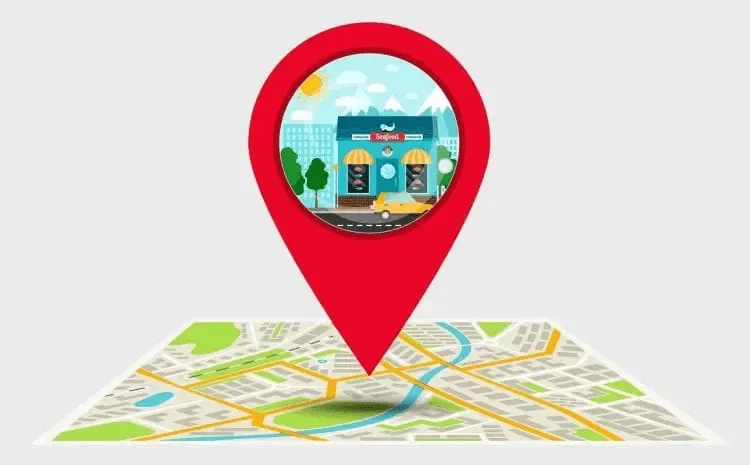
Consistent NAP increases your chance of appearing in the Local 3-Pack.
3. More Customer Confidence
People trust businesses that appear consistently across multiple reputable websites.
4. Better Local Authority
Citations from quality directories strengthen your brand credibility.
5. Supports On-Page & Technical SEO
Citations work alongside strong On-Page SEO and Technical SEO to boost rankings.
Types of Local Citations
1. Structured Citations
These are citations on directories with standardized fields, including:
- Google Business Profile
- Yelp
- Bing Places
- Facebook Business Page
- Apple Business Connect
- YellowPages
2. Unstructured Citations
These are general mentions of your business on:
- Local blogs
- News sites
- Event pages
- Chamber of Commerce websites
- Press releases
- Sponsorship announcements
- Interviews and features
Both types contribute to authority and Local SEO.
How to Build Local Citations for Your Business (Step-by-Step)
Step 1: Prepare Your NAP Information
Before creating citations, gather consistent business details:
- Business Name
- Address
- Phone Number
- Website URL
- Business hours
- Short business description
- Photos and logo
To identify inconsistencies on your current website, use the Free SEO Audit.
Step 2: Optimize Your Google Business Profile First
Your Google Business Profile (GBP) is the most important citation of all.
Optimize by:
- Filling out every field
- Selecting accurate business categories
- Adding services, products, and photos
- Publishing weekly updates
- Getting customer reviews
Step 3: Submit to High-Authority Core Citation Sites
These universal directories strengthen your base authority:
- Yelp
- Bing Places
- Apple Business Connect
- MapQuest
- Better Business Bureau (BBB)
Structured citations here help Google verify your NAP.
Step 4: Build Industry-Specific Citations
Industry citations make you more relevant in your niche.
Examples:
HVAC companies:
Angi, HomeAdvisor — See: SEO for HVAC
Restoration companies:
Local insurance directories, emergency service directories — See: SEO for Restoration Companies
Cleaning companies:
Thumbtack, Care.com — See: SEO for Cleaning Company
Law firms:
Avvo, Justia
Restaurants:
TripAdvisor, OpenTable
Industry citations = stronger topical authority.
Step 5: Build Local City-Level Citations
These are powerful for ranking in specific cities:
- City business directories
- Tourism websites
- Chamber of Commerce listings
- Local news outlets
- Neighborhood blogs
- Real estate community pages
Local citations help you dominate geographic relevance.
Step 6: Fix Duplicate or Incorrect Citations
Incorrect or multiple citations confuse Google and dilute authority.
Check for:
- Old phone numbers
- Previous addresses
- Different business name spellings
- Outdated websites
Many of these issues appear frequently in the 200 Local Business Website Audit Findings report.
Step 7: Build Unstructured Citations
These come from natural mentions on other websites:
- Press features
- Sponsorships
- Local charity participation
- Partnerships
- Blog features
- Interviews
- Guest posts
- Local influencer mentions
Unstructured citations double as powerful backlinks.
To deepen your strategy, read Backlinks in SEO: Complete Guide.
Step 8: Maintain Your Citations Over Time
You must update your citations whenever you:
- Move to a new address
- Change your business hours
- Update your phone number
- Add or remove services
- Modify your branding
Regular updates also support the technical health described in the Technical SEO Guide.
Common Local Citation Mistakes
Avoid:
- Duplicate citations
- Inconsistent NAP
- Leaving important fields blank
- Ignoring core directories
- Using call-tracking numbers as your main number
- Not claiming your directory profiles
Clean citations = stronger rankings.
Conclusion
Local citations are a foundational ranking factor for any local business. When done correctly, they improve Google’s trust in your business, boost local rankings, strengthen brand authority, and increase traffic and leads.
Citations work even better when combined with:
- Strong On-Page SEO
- Clean Technical SEO
- Strategic Backlink Building
- Optimized local landing pages
To audit your current citations and SEO performance, start with a Free SEO Audit, or explore Our SEO Services for professional support.
FAQs About Local Citations (Listings)
1. What are local listings in SEO?
Local citations are online mentions of your business name, address, and phone number (NAP). They help Google verify your business information and improve your local search rankings.
2. Why are local listings important for ranking on Google?
Local citations increase your business’s credibility and trustworthiness. When Google sees consistent citations across reputable websites, it boosts your visibility in local search and Google Maps.
3. How do local listings affect my Google Business Profile?
Accurate local citations support your Google Business Profile by reinforcing your NAP information. This helps Google confirm your location and improves your chances of appearing in the Local 3-Pack.
4. What is the difference between structured and unstructured local listings?
Structured local citations appear on directories with standardized business fields (e.g., Yelp, Bing Places), while unstructured citations appear as general mentions on blogs, news sites, or event pages.
5. How many local citations does my business need?
There’s no fixed number, but most local businesses benefit from 50–150 quality local citations across core directories, industry-specific sites, and city-level platforms.
6. Can incorrect local citations hurt my SEO?
Yes. Inconsistent or duplicate local citations confuse search engines, weaken your authority, and can negatively impact rankings. Accuracy is more important than quantity.
7. How do I find where my business is mentioned online?
You can track local citations using tools like BrightLocal, Whitespark, or by running a Free SEO Audit from your website to identify NAP inconsistencies.
8. Do local listings count as backlinks?
Not always. Some citations include dofollow or nofollow links to your website, but even without links, local citations still provide valuable local relevance and authority.
9. How often should I update my local citations?
Update your local citations anytime you change your business name, address, phone number, hours, or services. Review them at least once per year for accuracy.
10. Are local citations still relevant in 2026 and beyond?
Absolutely. Local citations remain a core trust signal for Google’s local algorithm and continue to influence visibility in both organic search and Google Maps.



 English