
Table of Contents
Multi-location SEO is one of the most powerful growth levers for brands operating in more than one city, state, or region. Whether you run multiple offices, franchise branches, storefronts, or service-area teams, ranking each location independently on Google is critical to driving predictable local traffic, generating qualified leads, and ultimately increasing revenue for every branch of your business.
Consumers today expect businesses to show up locally when they search for products or services online. In fact, studies show that 96% of consumers search online before visiting a local business, meaning that if your branches aren’t visible in their specific locations, you are likely losing opportunities to competitors who have mastered local search.
To understand how multi-location SEO fits into the wider ecosystem of local search, it helps to begin with foundational concepts. Local SEO involves optimizing your online presence to appear for searches relevant to your business, its services, and its location. Multi-location SEO takes this a step further by scaling these optimizations across multiple branches, ensuring that each individual location is discoverable by the right audience in its specific city or region.
For businesses managing multiple locations, the stakes are higher than for a single-location company. You are not just competing with local competitors in one area—you are competing in multiple local markets simultaneously, each with unique customer behaviors, search trends, and competitive landscapes. This requires a strategic approach, including:
- Creating individual landing pages for each location
- Crafting location-specific content tailored to city- or neighborhood-based searches
- Managing separate Google Business Profiles for every branch
- Ensuring consistent NAP (Name, Address, Phone) information across all online platforms
- Generating local backlinks and reviews to strengthen each location’s authority
Multi-location SEO also requires careful coordination between on-page SEO, technical SEO, and off-page SEO strategies, making it more complex than traditional local SEO but also much more rewarding. When implemented correctly, it can help your brand dominate search results in every city you serve, giving each location the visibility it needs to attract and convert local customers.
For those looking to understand the broader fundamentals of local search before diving into multi-location SEO, see What Is Local SEO: The Complete Guide.
What Is Multi-Location SEO?
Multi-location SEO is the practice of optimizing your website and digital presence so that each of your business locations ranks independently in local search results. This includes visibility on Google Search, Google Maps, and Google Business Profiles (GBP) for location-specific searches.
Unlike traditional local SEO, which focuses on a single location, multi-location SEO involves scaling your visibility across multiple cities, states, or regions. Each branch must have its own optimized pages, local keyword strategies, and signals of authority to ensure it can compete effectively in its own market.
Some of the key components of multi-location SEO include:
- Location Landing Pages: Unique pages for each branch with city-specific content and services.
- Localized Keywords: Optimized keywords that include the city or neighborhood to target local search intent.
- Google Business Profiles: Separate listings for each location with accurate NAP information, photos, and reviews.
- Local Backlinks: Links from local directories, partners, and publications to boost authority in each region.
- Consistent NAP Across Platforms: Ensuring that all locations have uniform Name, Address, and Phone information across websites, directories, and social platforms.
For a deeper dive into the foundational aspects of multi-location SEO, check out SEO for Local Business Guide.
When done correctly, multi-location SEO not only improves visibility in local searches but also increases customer trust, drives higher-quality leads, and boosts conversions for each branch individually. In the following sections, we’ll explore exactly how to implement multi-location SEO strategies, step by step, to dominate search in every city your company serves.
Why Multi-Location SEO Matters
Consumers increasingly search for services in specific locations. A strong local presence ensures that each branch appears when potential customers are looking for your services. Benefits include:
- Each location ranks for its respective city
- Customers find accurate business information
- You increase competitive advantage across multiple markets
How Google Ranks Multi-Location Businesses
Google uses three core factors for local rankings:
- Proximity – How close a user is to a location
- Relevance – How well your content matches the search query
- Prominence – Authority signals such as reviews and backlinks
Other ranking signals include Google Business Profile optimization, citations, and review activity. Learn more about optimizing profiles for multiple locations in Google Business Profile Guide.
Multi-Location Keyword Strategy
Keywords are the backbone of multi-location SEO. They determine which searches your business can appear for in each specific city or region. Without a well-planned keyword strategy, even the best-designed location pages or Google Business Profiles may fail to drive traffic and leads.
A strong multi-location keyword strategy involves targeting the right search terms for each branch while considering local search intent, competition, and relevance. Below are key strategies to implement:
1. City + Service Keywords
City + Service keywords are the foundation of multi-location SEO. These are searches where users include the city name along with the service they are looking for.
Examples:
- “AC repair in Phoenix”
- “Water damage restoration in Miami”
- “Roofing contractors in Houston”
These keywords help Google understand that your business is relevant to a particular location, and they also make your location pages more likely to rank in search results.
For inspiration on city-level SEO strategies, check SEO Services in Phoenix.
2. Neighborhood-Level Keywords
Neighborhood-level or hyperlocal keywords target smaller areas within a city. These are especially effective for large cities with multiple neighborhoods, helping your business appear for searches closer to where customers actually live or work.
Examples:
- “Downtown Miami dentist”
- “Brooklyn water damage restoration”
- “Central Austin HVAC repair”
Using neighborhood-specific keywords can reduce competition and increase conversion rates because people searching within neighborhoods often have immediate intent.
3. Branded Local Searches
Branded searches involve combining your company name with a city or location. These are particularly important for multi-location businesses looking to maintain a consistent brand presence across multiple regions.
Examples:
- “AHZ Houston”
- “PuroClean Miami water restoration”
- “AC Repair Experts Dallas”
Encouraging satisfied customers to leave reviews that mention the city can improve these branded searches and increase your authority in each location.
4. Long-Tail Location Queries
Long-tail location keywords are longer, more specific search phrases that often indicate high intent. These searches are ideal for businesses that offer specialized services or emergency solutions.
Examples:
- “Best restoration company near Coral Gables”
- “Emergency AC repair in Downtown Phoenix”
- “Affordable water damage cleanup Miami Beach”
Targeting long-tail keywords can help each location rank faster because competition is usually lower, and these searches are more likely to convert into actual leads or appointments.
5. Keyword Gap Analysis Across Locations
For businesses with multiple locations, it’s critical to understand what competitors rank for in each city. Keyword gap analysis allows you to:
- Identify keywords competitors rank for in specific locations
- Discover underserved search opportunities
- Optimize content for terms you may not currently target
Tools like SEMrush, Ahrefs, or Moz can help you identify these gaps, but for more SEO insights on keyword gaps, check Keyword Gap in SEO.
6. Best Practices for Multi-Location Keyword Strategy
- Use unique keywords for each location: Avoid duplicating the same keywords across all city pages.
- Include keywords naturally in content: Focus on readability for humans while signaling relevance to Google.
- Integrate keywords into headings and meta descriptions: Each location page should be optimized for its primary keyword.
- Leverage internal linking: Connect location pages to service pages or blog content for stronger SEO.
By following these strategies, each branch of your business can rank independently in search engines, attract high-intent customers, and maximize local visibility.
For additional guidance on creating effective location pages with optimized keywords, see On-Page SEO Complete Guide.
Optimizing Location Pages
Each location of your business requires its own dedicated landing page. This is crucial for multi-location SEO because it allows Google to treat each branch as an independent entity, giving it a higher chance of ranking in local searches. Optimized location pages not only improve search visibility but also increase customer trust and conversions.
Key Elements of a Location Page
- Location-Specific Titles and Headings
- Include the city or neighborhood in the title tag and H1 heading.
- Example: “Emergency Water Damage Restoration in Coral Gables”
- This signals relevance to Google for local search queries.
- Localized Content (Minimum 600 Words)
- Each page should have unique content that highlights the services offered at that location.
- Include city-specific landmarks, service areas, or case studies to make the page stand out.
- Avoid duplicating content from other locations.
- Embedded Google Map
- Adding a map allows customers to see your exact location, improves user experience, and provides local relevance for Google.
- NAP (Name, Address, Phone) Consistency
- Ensure that the business name, address, and phone number match across all platforms, including your website, Google Business Profile, and local directories.
- Staff or Location Photos
- Personalize your pages with photos of staff, offices, or service vehicles.
- This builds trust and gives customers a sense of familiarity with the location.
- Local Reviews and Testimonials
- Display reviews specific to that location to improve credibility.
- Encourage satisfied customers to leave reviews mentioning the city and services.
- Clickable Calls-to-Action (CTAs)
- Include buttons for scheduling services, requesting a quote, or calling directly from mobile devices.
- Clear CTAs improve engagement and conversions.
For a complete guide on creating fully optimized location pages, see On-Page SEO Complete Guide.
Creating Scalable Multi-Location Content
Content is essential for multi-location SEO because it reinforces authority, relevance, and engagement for each branch. A scalable content strategy ensures that each location has unique, useful information that targets local search intent.
Types of Multi-Location Content
- City Landing Pages
- Create a unique landing page for every city your business operates in.
- Include local keywords, landmarks, and city-specific services to make pages relevant.
- Local Blog Posts
- Write blogs tailored to the interests or needs of local audiences.
- Example: “Top Neighborhoods in Phoenix for First-Time Homebuyers”
- Blog posts help capture long-tail search queries and improve internal linking to service pages.
- Case Studies
- Highlight results or success stories from specific branches.
- Example: “How Our Miami Restoration Team Helped a Homeowner Recover from Severe Water Damage”
- Case studies improve trust and provide real-world proof of service quality.
- Service Area Pages
- For businesses that travel to clients (like HVAC, plumbing, or restoration companies), service area pages help rank for searches across multiple neighborhoods or towns.
To amplify your content strategy, combine it with backlink-building techniques outlined in Off-Page SEO Guide. High-quality backlinks to location-specific content increase authority and search visibility for each page.
Managing Google Business Profiles for Multiple Locations
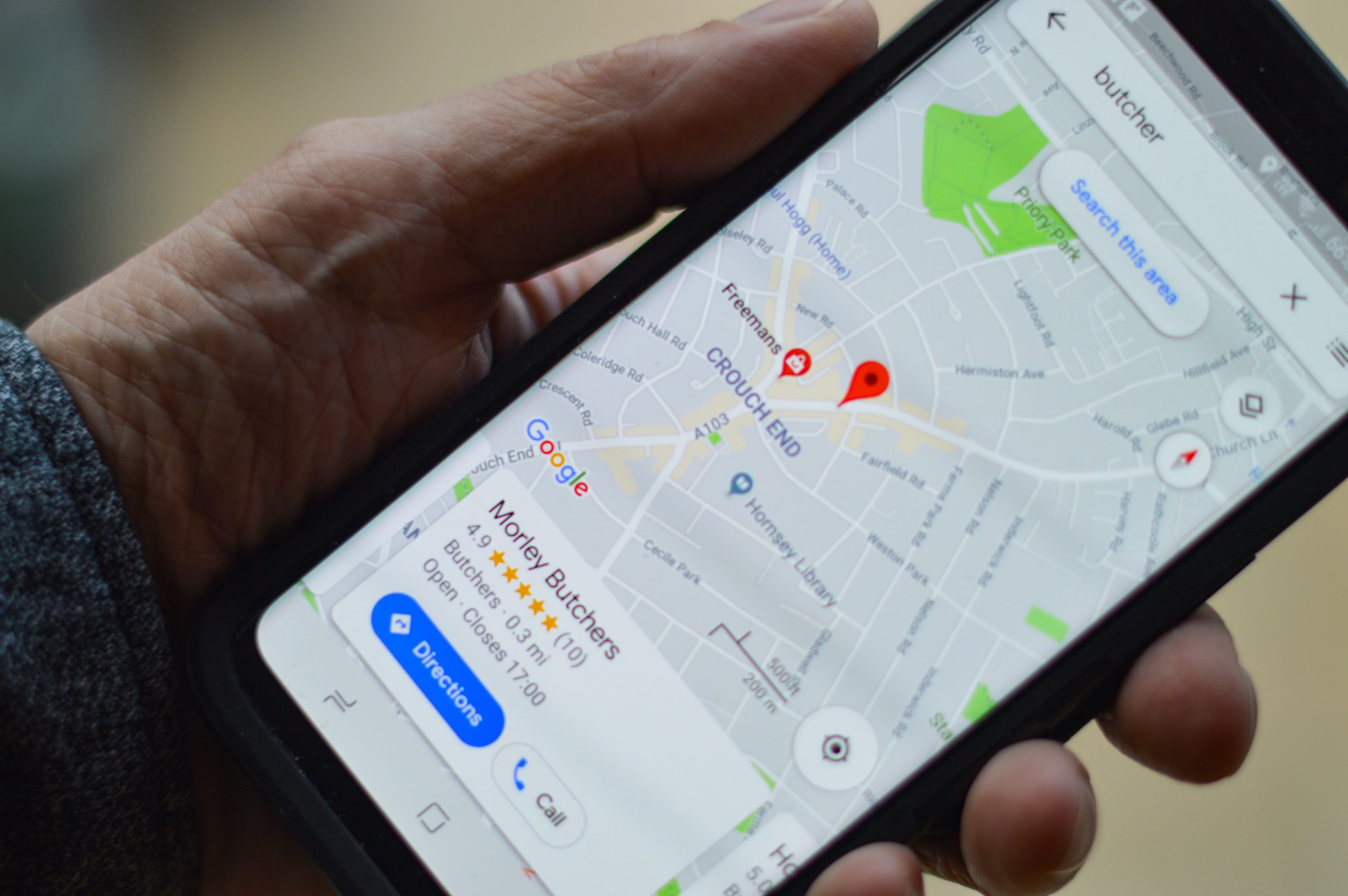
Google Business Profiles (GBP) are one of the most important ranking factors for multi-location SEO. Each location must have its own profile to rank effectively in local searches and Google Maps.
Best Practices for Multi-Location GBP Management
- Use Consistent Naming Conventions
- Include the location or city in the business name (if allowed by Google guidelines).
- Example: “PuroClean Coral Gables – Water & Fire Damage Restoration”
- Add Location-Specific Photos
- Showcase the team, office, vehicles, or equipment specific to each location.
- Post Updates Regularly
- Share promotions, news, or local events to signal activity to Google and engage potential customers.
- Encourage and Respond to Reviews
- Positive reviews improve rankings and trustworthiness.
- Respond promptly to reviews to show engagement and professionalism.
- List Location-Specific Services
- Customize service categories per location to reflect what that branch offers.
For a step-by-step approach to managing multiple Google Business Profiles, see Home Services SEO Checklist.
Why These Steps Matter
- Each location ranks independently in Google Maps and local search results.
- Customers can find accurate information about hours, services, and directions.
- Reviews and local content improve authority, relevance, and conversions.
By combining optimized location pages, scalable content, and properly managed Google Business Profiles, your multi-location business can dominate search results in every city it serves.
Local Citations & NAP Consistency
Local citations are mentions of your business’s Name, Address, and Phone number (NAP) on other websites, directories, and platforms. They help Google verify your business’s legitimacy and improve local search rankings. Consistent citations across the web are critical for multi-location SEO.
Tips for Effective Citations:
- Keep NAP Consistent Across All Platforms
- Ensure your business name, address, and phone number are exactly the same on Google Business Profiles, Yelp, Facebook, and local directories.
- Even small discrepancies can hurt rankings.
- Avoid Duplicate Listings
- Duplicate listings confuse search engines and dilute your authority.
- Regularly audit directories to remove or merge duplicates.
- Use Local and Industry-Specific Directories
- Submit your business to authoritative local directories and niche-specific platforms relevant to your industry.
- Example: Restoration companies can list on home services directories or local chambers of commerce sites.
- Regional Optimization Example
- If your business operates in Texas, refer to SEO Services in Texas for citation strategies tailored to regional markets.
Proper citation management ensures Google and customers see accurate information for each branch, improving visibility and trust.
Technical SEO for Multi-Location Websites
A strong technical foundation is essential for scaling multi-location SEO. Even with high-quality content and citations, technical issues can prevent your location pages from ranking effectively.
Key Technical SEO Practices:
- Clean URL Structures
- Use clear URLs for each location, e.g.,
/locations/miami/or/phoenix/ac-repair/. - URLs should include the city name and service for relevance.
- Use clear URLs for each location, e.g.,
- XML Sitemaps
- Include all location pages in your sitemap to help search engines discover and index them.
- Canonical Tags
- Prevent duplicate content issues if multiple pages have similar content.
- Fast, Mobile-Friendly Pages
- Ensure each location page loads quickly and works well on mobile devices.
- Mobile usability is a critical ranking factor for local searches.
- Schema Markup for Each Location
- Use local business schema to provide search engines with structured information like address, phone number, and services.
- Internal Linking Between Pages
- Link location pages to service pages, blog posts, or other relevant content to improve crawlability and authority.
For detailed technical SEO guidance, see Technical SEO Guide.
Building Local Backlinks
High-quality backlinks are essential for increasing each location’s authority in its local search market. Local backlinks signal to Google that your business is trusted and relevant in its specific region.
Strategies for Local Link Building:
- Sponsor Local Events
- Partner with community events or charities to get featured on local websites.
- Collaborate with City-Based Organizations
- Partner with local chambers of commerce, trade associations, or industry groups.
- Get Featured in Local Blogs and News Outlets
- Press coverage and guest posts help drive traffic and backlinks.
- Collaborate with Local Influencers
- Influencers can highlight your services and create high-value local backlinks.
- Local PR Campaigns
- Share stories about your business’s impact in the community to earn authoritative links.
For more strategies on building strong backlinks, check Backlinks in SEO: Complete Guide.
Tracking Multi-Location SEO Performance
Tracking performance per location is critical to understand which branches are thriving and which need attention.
Key Metrics to Monitor:
- Keyword Rankings for each branch
- Conversions per location from contact forms or online bookings
- Phone Call Leads generated by Google Business Profiles or location pages
- Direction Requests from Google Maps
- GBP Engagement Metrics like clicks, messages, and reviews
- GA4 Dashboards with location-specific tracking
Start by identifying gaps and opportunities using Free SEO Audit.
Common Multi-Location SEO Mistakes
Avoiding common pitfalls can save time and prevent ranking losses. Some mistakes include:
- Using one page for multiple locations instead of individual landing pages
- Duplicating content across city or location pages
- Maintaining a single Google Business Profile for all branches
- Inconsistent NAP across directories and platforms
- Thin content that doesn’t provide value for the specific location
- Ignoring mobile usability, which affects user experience and rankings
For professional support and strategy, visit Our SEO Services.
Multi-Location SEO Case Examples
Implementing multi-location SEO strategies can produce measurable results across different industries. Here are some real-world examples:
1. HVAC Companies
HVAC businesses often face seasonal demand spikes. By creating city-specific location pages, they can rank for searches like “AC repair in Phoenix” or “HVAC installation in Dallas” during peak seasons. This ensures that each branch captures local leads when demand is highest.
For reference, see SEO for HVAC.
2. Cleaning Companies
Cleaning service providers benefit from targeting high-income neighborhoods or densely populated areas. By optimizing each location page with city- and neighborhood-specific content, cleaning companies can attract premium clients in multiple markets.
Learn more at SEO for Cleaning Company.

3. Restoration Companies
Emergency services, like water, fire, or mold restoration, must ensure each service area ranks independently. Each branch should have separate location pages optimized for urgent search terms, such as “emergency water damage restoration in Coral Gables.” This approach drives rapid response inquiries and increases conversions.
See detailed strategies at SEO for Restoration Companies.
4. Other Industries
Multi-location SEO benefits a wide range of sectors:
- Law Firms: Rank branch offices separately for city-specific searches.
- Plumbers: Optimize location pages for service areas and neighborhoods.
- Gyms: Target city- and neighborhood-specific searches for memberships.
- Roofing Companies: Highlight projects and testimonials per location.
These examples show that any multi-branch business can leverage local SEO to scale visibility, attract customers, and outperform competitors in multiple regions.
Conclusion
Multi-location SEO is a powerful growth strategy for businesses operating in multiple cities, states, or regions. By optimizing:
- Location Pages with unique, city-specific content
- Google Business Profiles for each branch
- Local Citations and NAP consistency
- Backlinks from local sources
- Technical SEO foundations
- Performance tracking per location
…each branch of your business can thrive independently while contributing to overall brand authority and revenue growth.
Scaling visibility across multiple markets increases brand awareness, attracts high-intent local customers, and positions your business as a trusted authority in every city you serve.
Take the first step in improving your multi-location SEO today by Contacting Us. Our experts can help your business rank higher in every city, optimize location pages, and implement strategies that drive measurable results.



 English