
Table of Contents
Introduction
In the world of search engine optimization, ranking well on Google involves more than just optimizing the content on your website. This is where off-page SEO comes into play. Off-page SEO refers to all activities performed outside your website that impact your search engine rankings. Unlike on-page SEO, which focuses on optimizing elements such as meta tags, headings, and internal linking, off-page SEO is all about building authority, credibility, and trust in the eyes of search engines.
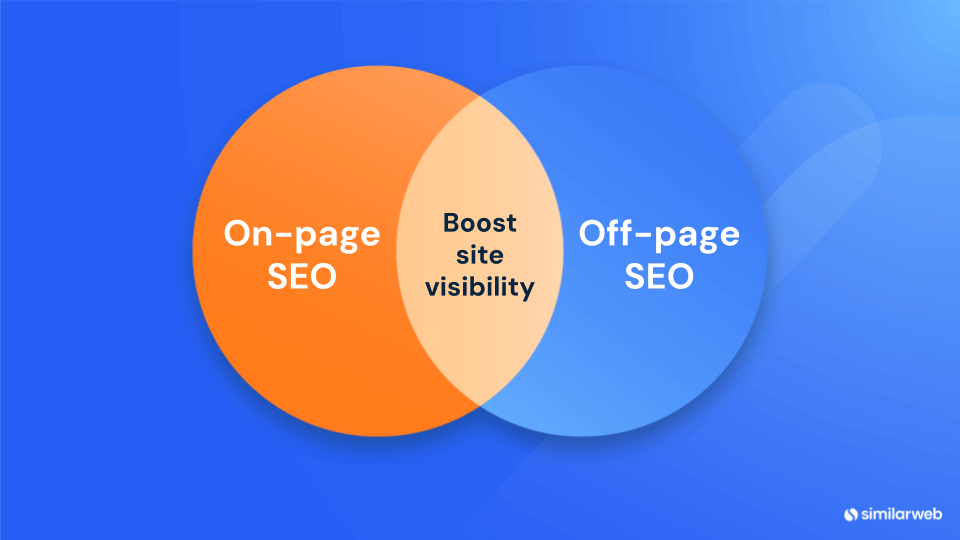
The difference between on-page and off-page SEO lies in control and focus. On-page SEO deals with factors you can directly manage on your website, such as page speed, content quality, and keyword optimization. Off-page SEO, on the other hand, involves external factors like backlinks, social signals, online reviews, and brand mentions. Both are equally important, but off-page SEO often serves as a major indicator to search engines that your content is valuable and trustworthy.
Why does off-page SEO matter so much? Studies have shown that websites with strong backlink profiles tend to rank higher in search results. For example, research from Moz indicates that link signals account for a significant portion of Google’s ranking factors. Additionally, businesses that actively engage in off-page SEO, such as link-building campaigns or influencer collaborations, often see increased organic traffic, higher domain authority, and greater online visibility. Whether you run a restaurant, a dentist office, or a restoration company, leveraging off-page SEO strategies can significantly boost your online presence.
Engaging in off-page SEO also helps create a strong reputation and builds relationships within your industry. For instance, by guest posting on relevant blogs, earning mentions from industry influencers, or acquiring backlinks from authoritative websites, your business gains both credibility and trust. Over time, these external signals communicate to search engines that your website is valuable, reliable, and relevant for specific search queries.
Introduction
In the world of search engine optimization, ranking well on Google involves more than just optimizing the content on your website. This is where off-page SEO comes into play. Off-page SEO refers to all activities performed outside your website that impact your search engine rankings. Unlike on-page SEO, which focuses on optimizing elements such as meta tags, headings, and internal linking, off-page SEO is all about building authority, credibility, and trust in the eyes of search engines.
The difference between on-page and off-page SEO lies in control and focus. On-page SEO deals with factors you can directly manage on your website, such as page speed, content quality, and keyword optimization. Off-page SEO, on the other hand, involves external factors like backlinks, social signals, online reviews, and brand mentions. Both are equally important, but off-page SEO often serves as a major indicator to search engines that your content is valuable and trustworthy.
Why does off-page SEO matter so much? Studies have shown that websites with strong backlink profiles tend to rank higher in search results. For example, research from Moz indicates that link signals account for a significant portion of Google’s ranking factors. Additionally, businesses that actively engage in off-page SEO, such as link-building campaigns or influencer collaborations, often see increased organic traffic, higher domain authority, and greater online visibility. Whether you run a restaurant, a dentist office, or a restoration company, leveraging off-page SEO strategies can significantly boost your online presence.
Engaging in off-page SEO also helps create a strong reputation and builds relationships within your industry. For instance, by guest posting on relevant blogs, earning mentions from industry influencers, or acquiring backlinks from authoritative websites, your business gains both credibility and trust. Over time, these external signals communicate to search engines that your website is valuable, reliable, and relevant for specific search queries.
Understanding Off-Page SEO
Off-page SEO encompasses all the strategies and actions performed outside your website to improve your search rankings. At its core, it is about signaling authority, trust, and relevance to search engines. While backlinks remain the cornerstone of off-page SEO, other elements like brand mentions, social signals, influencer collaborations, and online reviews play a crucial role in shaping your site’s credibility.
Core Objectives of Off-Page SEO
- Link Building: Acquiring high-quality backlinks from authoritative websites is one of the most powerful off-page SEO tactics. Backlinks act as votes of confidence, telling search engines that your content is trustworthy and valuable. A well-planned link-building strategy can improve both your domain authority and search engine rankings.
- Brand Awareness: Off-page SEO helps expand your brand’s reach. When your content is shared on social media, mentioned in forums, or linked by other authoritative websites, more users discover your business. Increased visibility not only drives traffic but also enhances recognition and credibility within your niche.
- Trustworthiness and Authority: Search engines evaluate off-page signals to determine a site’s credibility. Links from reputable sources, positive online reviews, and mentions on influential platforms signal trustworthiness. For example, a law firm that earns backlinks from authoritative legal publications demonstrates both expertise and authority.
- Reputation Management: Off-page SEO allows you to manage how your brand is perceived online. Responding to reviews, engaging with industry communities, and building strong relationships can enhance your reputation and prevent negative content from affecting your search rankings.
How Search Engines Evaluate Off-Page Signals
Search engines consider off-page SEO signals as indicators of a website’s value, credibility, and relevance. Some key factors include:
- Backlink Quality and Quantity: High-quality, relevant backlinks from authoritative sites carry more weight than a large number of low-quality links.
- Social Signals: Engagement on social platforms such as shares, mentions, and comments indirectly signals content popularity and credibility.
- Brand Mentions: Even unlinked mentions of your brand can contribute to search engine recognition and authority.
- Influencer Endorsements: Recognition from trusted figures in your industry adds credibility.
Search engines use these signals to determine how users perceive your content and how valuable it is in the broader web ecosystem. This evaluation is why businesses that invest in comprehensive off-page SEO strategies—combining link-building, social engagement, and reputation management—tend to outperform competitors in search rankings.
For businesses looking to enhance their online visibility, combining off-page SEO with a solid foundation in on-page SEO and overall SEO basics creates a holistic approach to search engine optimization.
Understanding Off-Page SEO
Off-page SEO encompasses all the strategies and actions performed outside your website to improve your search rankings. At its core, it is about signaling authority, trust, and relevance to search engines. While backlinks remain the cornerstone of off-page SEO, other elements like brand mentions, social signals, influencer collaborations, and online reviews play a crucial role in shaping your site’s credibility.
Core Objectives of Off-Page SEO
- Link Building: Acquiring high-quality backlinks from authoritative websites is one of the most powerful off-page SEO tactics. Backlinks act as votes of confidence, telling search engines that your content is trustworthy and valuable. A well-planned link-building strategy can improve both your domain authority and search engine rankings.
- Brand Awareness: Off-page SEO helps expand your brand’s reach. When your content is shared on social media, mentioned in forums, or linked by other authoritative websites, more users discover your business. Increased visibility not only drives traffic but also enhances recognition and credibility within your niche.
- Trustworthiness and Authority: Search engines evaluate off-page signals to determine a site’s credibility. Links from reputable sources, positive online reviews, and mentions on influential platforms signal trustworthiness. For example, a law firm that earns backlinks from authoritative legal publications demonstrates both expertise and authority.
- Reputation Management: Off-page SEO allows you to manage how your brand is perceived online. Responding to reviews, engaging with industry communities, and building strong relationships can enhance your reputation and prevent negative content from affecting your search rankings.
How Search Engines Evaluate Off-Page Signals
Search engines consider off-page SEO signals as indicators of a website’s value, credibility, and relevance. Some key factors include:
- Backlink Quality and Quantity: High-quality, relevant backlinks from authoritative sites carry more weight than a large number of low-quality links.
- Social Signals: Engagement on social platforms such as shares, mentions, and comments indirectly signals content popularity and credibility.
- Brand Mentions: Even unlinked mentions of your brand can contribute to search engine recognition and authority.
- Influencer Endorsements: Recognition from trusted figures in your industry adds credibility.
Search engines use these signals to determine how users perceive your content and how valuable it is in the broader web ecosystem. This evaluation is why businesses that invest in comprehensive off-page SEO strategies—combining link-building, social engagement, and reputation management—tend to outperform competitors in search rankings.
For businesses looking to enhance their online visibility, combining off-page SEO with a solid foundation in on-page SEO and overall SEO basics creates a holistic approach to search engine optimization.
Key Elements of Off-Page SEO
Off-page SEO is a multi-faceted approach that goes beyond your website to build authority, credibility, and visibility online. While backlinks are often the most talked-about component, several other elements collectively strengthen your off-page presence. Understanding each of these components helps businesses implement a comprehensive strategy.
1. Backlinks
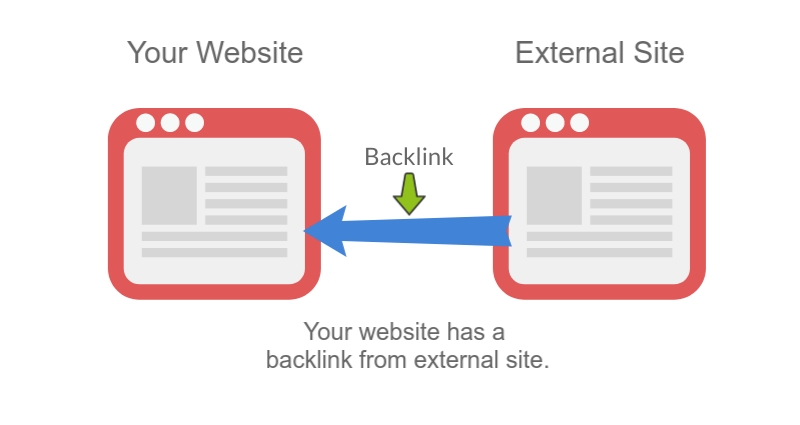
Backlinks remain the backbone of off-page SEO. They act as endorsements from other websites, signaling to search engines that your content is credible and valuable. High-quality backlinks from authoritative, relevant sites have a significant impact on your search rankings, while low-quality links can harm your website’s reputation.
There are several types of backlinks:
- DoFollow vs NoFollow: DoFollow links pass SEO value to your site, improving domain authority, while NoFollow links primarily drive traffic and brand awareness without directly affecting rankings.
- Natural Backlinks: These are links earned organically when other websites find your content valuable.
- Guest Posts: Writing content for other websites allows you to include backlinks to your own site.
- Editorial Links: Links placed within the content of another website because your resource is referenced as authoritative.
For example, a restaurant that earns editorial links from food blogs and local guides builds credibility with both users and search engines.
2. Social Signals
Social media does not directly pass SEO value in the same way as backlinks, but engagement on platforms like Facebook, Twitter, and LinkedIn indirectly influences SEO.
- Shares, Likes, and Mentions: When content is widely shared or mentioned on social media, it signals popularity and relevance to search engines.
- Driving Traffic: Social engagement drives referral traffic, increasing content exposure and potentially earning natural backlinks from users who find it valuable.
A strong social presence enhances brand visibility and indirectly boosts your off-page SEO efforts.
3. Brand Mentions
Even without a direct link, brand mentions across the web act as credibility signals for search engines. These mentions show that your business is recognized and discussed in your industry.
- Trust and Authority Factor: Repeated mentions on authoritative sites, blogs, and news outlets can improve perceived authority.
- Tracking Tools: Platforms like Google Alerts, Mention, and SEMrush Brand Monitoring help identify when your brand is referenced online.
For businesses, monitoring and encouraging brand mentions ensures your reputation is visible and positively contributes to SEO.
4. Influencer Outreach and Collaboration
Partnering with industry influencers is a powerful way to earn high-quality backlinks and improve brand credibility. Influencers can amplify your content, provide authoritative mentions, and attract new audiences.
- Benefits: Increased website traffic, improved domain authority, and enhanced trust signals.
- Approach: Identify relevant influencers, pitch valuable content or collaboration opportunities, and build long-term relationships rather than one-off mentions.
For example, a dentist collaborating with a local health influencer can earn authoritative links while reaching potential patients.
5. Online Reviews and Reputation Management
Online reviews are both a consumer trust factor and a local SEO signal. Positive reviews on platforms like Google My Business, Yelp, and industry-specific directories demonstrate credibility.
- Impact on Local SEO: Reviews influence Google Maps rankings and local search visibility.
- Reputation Management: Actively responding to reviews, addressing complaints, and encouraging satisfied customers to leave feedback strengthens your online reputation.
For businesses like plumbers or restoration companies, managing reviews effectively can lead to higher local search visibility and more leads.
6. Forum and Community Participation
Engaging in online communities and forums positions your business as an authority in your niche. Participating in Q&A sites like Quora, Reddit, or industry-specific forums provides opportunities to share expertise and attract traffic.
- Benefits: Builds credibility, drives referral traffic, and creates link opportunities.
- Best Practices: Focus on providing valuable answers rather than self-promotion, and link naturally where relevant.
For example, answering HVAC questions on a specialized forum can direct users to a HVAC service page while building trust.
7. Content Marketing Off-Site
Off-site content marketing involves creating resources that attract links, shares, and mentions on other platforms. Examples include:
- Guest Blogging: Publishing articles on other sites to gain exposure and backlinks.
- Infographics and Visual Content: Easily shareable assets that attract links from blogs and social media.
- Podcasts and Webinars: Industry discussions that generate backlinks and brand mentions.
- Press Releases: Announcements that get picked up by news outlets, creating authoritative backlinks.
By promoting high-quality content off-site, businesses can increase both visibility and authority. Combining this with on-page optimization from resources like our On-Page SEO Guide ensures maximum SEO impact.
Link Building Strategies
Link building is a central pillar of off-page SEO. The quality, relevance, and authenticity of your backlinks significantly influence your website’s authority and search rankings. However, not all link-building tactics are created equal, and understanding the differences between ethical and risky methods is crucial.
White-Hat Techniques
White-hat link-building strategies are ethical, sustainable, and approved by search engines. They focus on earning links naturally and adding value to users. Common techniques include:
- Guest Posts: Writing content for authoritative websites in your niche allows you to include backlinks to your own site. For example, a law firm contributing an article on a legal blog can gain high-quality backlinks.
- Broken Link Building: Identifying broken links on other websites and offering your content as a replacement is a win-win approach.
- Skyscraper Method: Creating superior content compared to existing resources, then reaching out to websites linking to the original resource to secure backlinks.
- Resource Page Outreach: Contacting websites that list resources or guides relevant to your industry and asking to include your content.
These strategies focus on long-term authority and avoid penalties from search engines.
Gray-Hat Techniques and Risks
Gray-hat link-building methods fall in a middle ground between ethical and manipulative tactics. They can yield results but carry certain risks. Examples include:
- Purchasing links from lesser-known sites.
- Reciprocal link exchanges on a large scale.
- Aggressive guest posting without regard for relevance.
While these techniques may temporarily boost rankings, search engines could penalize sites if they detect manipulative patterns.
Black-Hat Techniques to Avoid
Black-hat tactics violate search engine guidelines and can result in penalties or ranking drops. Avoid:
- Comment Spam: Posting irrelevant links in forums or blog comments.
- Link Farms: Using networks of low-quality sites to artificially inflate backlinks.
- Automated Link Schemes: Generating links through software without human oversight.
Focusing on high-quality, relevant backlinks through white-hat strategies ensures sustainable growth.
Examples of Effective Link-Building Campaigns
Many businesses have successfully improved search rankings through strategic link-building. For instance:
- A dentist created an informative dental care guide and reached out to health blogs and local publications, earning multiple authoritative backlinks.
- A restaurant collaborated with food bloggers and local influencers, generating editorial links and social mentions that boosted local search visibility.
These campaigns demonstrate that quality, relevance, and outreach are more effective than quantity alone.
Social Media and Off-Page SEO
Social media plays a supporting role in off-page SEO by promoting content, driving traffic, and generating signals of relevance and engagement. Although social links are typically NoFollow, the indirect benefits for SEO are substantial.
Role of Social Platforms in Content Promotion
Social platforms such as Facebook, Instagram, Twitter, LinkedIn, and Pinterest help increase visibility for your content. Sharing blog posts, infographics, or videos allows more users to engage, potentially creating organic backlinks when your content is referenced elsewhere.
How Engagement Can Indirectly Improve Rankings
Engagement metrics like shares, likes, comments, and mentions indicate content relevance and popularity. When content gains traction on social media, it often leads to:
- Increased referral traffic.
- Higher likelihood of earning editorial backlinks.
- Greater brand recognition and trust.
For example, a restoration company sharing a “disaster recovery tips” infographic on LinkedIn and Facebook may attract links from local blogs and news outlets.
Tips for Maximizing Social Signals
- Share Consistently: Regularly post valuable content to your social channels.
- Engage with Your Audience: Respond to comments, participate in discussions, and encourage shares.
- Leverage Visual Content: Infographics, videos, and images are more likely to be shared and linked.
- Collaborate with Influencers: Partnering with industry influencers increases content visibility and potential backlinks.
- Encourage Sharing: Add social sharing buttons on your website and blog posts to make it easy for visitors.
Combining social media promotion with other off-page SEO tactics like guest posting, influencer outreach, and backlink campaigns creates a holistic approach that enhances both authority and search visibility.
Local Off-Page SEO
For small businesses, local off-page SEO is critical for attracting nearby customers and improving visibility in local search results. While traditional off-page strategies focus on backlinks and social signals, local SEO emphasizes location-specific signals that demonstrate credibility and authority within a community.
Importance for Small Businesses
Local off-page SEO helps small businesses compete in their geographic area. Businesses like restaurants, dentists, and plumbers benefit from local SEO because it drives targeted traffic and leads from users searching for nearby services. High-quality local signals can improve rankings in Google Maps and local pack listings, increasing both visibility and trust.
Optimizing Google My Business and Local Directories
Claiming and optimizing your Google My Business (GMB) profile is one of the most effective local off-page SEO strategies. Include accurate business information, categories, images, and business hours. Additionally, listing your business in authoritative local directories ensures consistency of your NAP (Name, Address, Phone number), which search engines use to validate credibility.

Collecting Positive Reviews and Managing Local Citations
Online reviews play a dual role in reputation and local SEO. Encouraging satisfied customers to leave reviews on platforms like Google, Yelp, and industry-specific directories improves your business’s credibility and visibility. Monitoring and responding to reviews also demonstrates engagement, which can indirectly enhance search rankings.
By focusing on local citations, consistent NAP information, and positive reviews, small businesses can strengthen their local off-page SEO and attract highly targeted traffic.
Tools to Monitor Off-Page SEO
Monitoring your off-page SEO efforts is essential to measure effectiveness and identify areas for improvement. A variety of tools are available to track backlinks, social engagement, brand mentions, and online reviews.
Backlink Analysis
Tools like Ahrefs, SEMrush, and Moz help you monitor your backlink profile. They provide insights into:
- Domain authority of linking sites
- Number and type of backlinks
- Toxic links that may require disavowal
For businesses, these insights guide link-building strategies and help maintain a healthy backlink profile.
Social Media Tracking
Platforms such as Hootsuite, Buffer, and Sprout Social track engagement metrics, mentions, and shares. Monitoring social performance ensures that your content is reaching the right audience and indirectly supports off-page SEO by driving referral traffic and potential links.
Brand Mentions
Tracking brand mentions, both linked and unlinked, is important for authority signals. Tools like Google Alerts, Mention, and SEMrush Brand Monitoring alert you when your brand appears online, allowing you to engage with mentions and convert them into backlinks or partnerships.
Online Review Tracking Tools
Review management tools help monitor feedback across Google, Yelp, and industry-specific directories. Maintaining a positive review profile strengthens local SEO signals, enhances credibility, and helps businesses respond promptly to customer feedback.
Combining these tools gives businesses a comprehensive view of their off-page SEO performance, allowing informed decisions to improve rankings, authority, and online visibility.
Case Studies / Real-Life Examples
Off-page SEO strategies can make a substantial difference in website traffic, search rankings, and overall online visibility. Examining real-world examples highlights both the benefits of ethical practices and the risks of poor execution.
Businesses That Grew Traffic and Rankings Through Off-Page SEO
Many businesses have leveraged off-page SEO to improve their search performance. For instance, a dentist in a competitive metropolitan area invested in guest posting and local citations. By collaborating with authoritative health blogs and local directories, the practice gained high-quality backlinks, improved domain authority, and saw a 60% increase in organic traffic over six months.
Similarly, a restaurant used influencer outreach combined with social media promotion. Partnering with local food bloggers and sharing engaging content on Instagram and Facebook generated editorial backlinks, social shares, and brand mentions. The result was higher visibility in local search results and a 45% increase in online reservations.
For restoration companies, creating informative “how-to” guides about disaster recovery and promoting them through local news outlets and industry forums led to natural editorial links. These links not only improved rankings for competitive keywords but also increased referral traffic from other reputable websites.
Examples of Penalties from Poor Off-Page Practices
Conversely, businesses that engage in manipulative link-building techniques often face severe consequences. For example, sites that purchase bulk links from low-quality sources or participate in link farms may experience Google penalties, resulting in significant traffic drops. One small business attempting rapid link acquisition without regard for relevance lost its top 10 rankings for several high-traffic keywords, illustrating that quantity never outweighs quality in off-page SEO.
Another common mistake is over-optimizing anchor text for exact-match keywords. Sites that relied heavily on repetitive anchor text for guest posts or directory links were flagged by Google’s Penguin update, causing a noticeable decline in both domain authority and search visibility. These cases emphasize the importance of ethical, strategic link-building.
Before-and-After Results
Real-world examples demonstrate the impact of off-page SEO on key metrics:
- Domain Authority: A law firm increased its DA from 28 to 42 over eight months by acquiring authoritative editorial links and consistent brand mentions.
- Traffic Growth: A plumber saw organic traffic rise 75% after implementing a combination of local citations, social promotion, and guest blogging.
- Keyword Rankings: Targeted link-building campaigns helped a dentist move competitive keywords from page three to page one on Google, driving more leads and inquiries.
These examples highlight that effective off-page SEO, when combined with quality content and on-page optimization, creates measurable improvements in both authority and traffic.
Future Trends in Off-Page SEO
As the digital landscape evolves, off-page SEO strategies must adapt to remain effective. Staying ahead of trends allows businesses to maintain strong search performance and authority.
AI and Content Promotion
Artificial intelligence is transforming how content is discovered, promoted, and linked. AI-driven tools can identify relevant websites for outreach, analyze content performance, and optimize promotion strategies. Additionally, AI-generated insights help marketers create shareable, high-quality resources likely to attract backlinks. While AI can enhance efficiency, human oversight ensures content remains authoritative and aligns with brand voice.
Evolving Google Algorithms for Link Evaluation
Google continuously refines its algorithms to better assess the quality and relevance of backlinks. Factors such as topical relevance, link context, and brand authority play increasingly important roles in ranking evaluations. Links from authoritative sites in your niche carry far more weight than generic links, and search engines are better at detecting manipulative patterns. Staying updated with algorithm changes ensures that your link-building efforts remain effective and compliant.
Increasing Importance of Brand Authority and Trust Signals
Beyond links, brand authority and trust signals are becoming central to off-page SEO. Mentions across media outlets, social signals, positive reviews, and collaborations with influencers contribute to perceived credibility. Businesses that actively build trust, rather than just chasing links, benefit from higher rankings, better user engagement, and long-term sustainable growth. For example, a restaurant consistently featured in local guides and food blogs establishes authority that search engines recognize, improving both organic rankings and referral traffic.
Frequently Asked Questions (FAQs)
How Long Does It Take to See Results from Off-Page SEO?
Off-page SEO is a long-term strategy. Results can start appearing in as little as three to six months, depending on competition, the quality of your backlinks, and the effectiveness of your campaigns. Consistent efforts over time yield the most sustainable growth in rankings and traffic.
What Types of Backlinks Matter Most?
High-quality, relevant backlinks from authoritative websites carry the most SEO value. Editorial links, guest posts on niche sites, and citations from reputable publications are more beneficial than generic directory links or low-quality spam links.
Can Social Media Replace Traditional Link Building?
While social media drives traffic, engagement, and brand mentions, it cannot fully replace traditional link-building strategies. Links from authoritative sites remain a primary ranking factor, but social promotion supports off-page SEO by increasing exposure and earning organic backlinks.
How to Measure Off-Page SEO Effectiveness?
Key metrics include:
- Domain authority and page authority
- Number and quality of backlinks
- Referral traffic
- Social engagement
- Brand mentions
Tools such as Ahrefs, SEMrush, and Moz provide insights to track these metrics effectively.
Should Small Businesses Focus on Local or Global Off-Page Strategies?
For most small businesses, local off-page SEO provides the greatest ROI. Optimizing Google My Business, collecting reviews, and earning local citations improves visibility for nearby customers. Global strategies are suitable for businesses with a broader target market or e-commerce platforms that serve multiple regions.
Conclusion
Off-page SEO plays a pivotal role in building website authority, trust, and search engine visibility. By leveraging high-quality backlinks, social engagement, brand mentions, influencer collaborations, and local SEO tactics, businesses can improve their rankings and attract more targeted traffic.
Key takeaways for effective off-page SEO include:
- Focus on quality over quantity when acquiring backlinks.
- Engage with communities, influencers, and social platforms to build authority and trust.
- Monitor and manage your brand reputation through reviews, mentions, and consistent NAP data.
- Adapt to evolving Google algorithms and future trends such as AI-driven content promotion.
Ultimately, combining off-page SEO with strong on-page SEO and technical optimization provides a holistic strategy for long-term growth and sustained search engine performance. Businesses that implement these practices effectively gain credibility, higher rankings, and measurable traffic growth.



 English